
Earplay was a product of public radio’s decentralized programming structure and noncommercial production environment. Many of the radio dramas produced in the late 1960s and ’70s were short-lived, as commercial radio producers and the sponsors they sold ad time to did not believe radio storytelling appealed to a mass audience. Post-network commercial radio producers feared that distracted audiences looked to radio as a secondary medium for background music.
Indeed, the risk commercial radio network producers associated with the production of radio drama perhaps encouraged the production of Earplay, as its producers understood their work on the program as a public service that provided listeners with content unavailable elsewhere in the U.S. And when Schmidt began producing Earplay in 1971 at WPR in Madison, it was the only contemporary dramatic radio show nationally distributed in the U.S., as part of NPR’s à la carte programming offers to member stations.
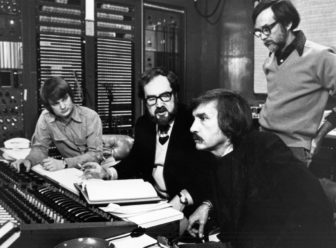 Tom Voegeli, John Tydeman of the BBC, Edward Albee and Karl Schmidt work on an Earplay production of Albee’s play “Listening” ca. 1975–76.
Like other radio producers of the 1970s, Schmidt was unsure whether radio listeners still had an attention span for longer scripted radio dramas. He originally pitched Earplay as a 10–15 minute program with strong plotlines to keep listeners engaged, although the show expanded to an hourlong weekly format in its second year.
Schmidt and his team named the program “ear play” to emphasize their vision for the show as a space for contemporary writers to write dramatic plays for the ear, to play with sound and to experiment with the creative possibilities of radio. Indeed, Schmidt intentionally eschewed the commercial and now dated aesthetics of classic network radio plays, aesthetics that CBS Mystery Theater and other revival shows incorporated. He saw Earplay as the modern incarnation of radio drama.
Free from the constraints of commercial radio, whose economic imperatives in the 1970s were heavily influenced by fragmentation, format radio and, of course, ratings and advertising potential, Earplay contributed to public radio’s service mandate by creating an experimental space on radio for young up-and-coming playwrights to practice crafting work written for the ear. This intention was certainly realized, and contributing playwrights included Edward Albee, David Mamet and Archibald MacLeish. Furthermore, several of the plays commissioned by Earplay were so successful that they were later adapted into stage plays, films or television.

Actors rehearse a scene while "Earplay" Director Karl Schmidt and Technical Director Don Voegeli monitor the recording.
Many of Earplay’s episodes were co-productions with European producers, and the program became part of the International Commissioning Group of European Radio Drama Producers. This partnership allowed Earplay’s producers to share financial costs and attract European playwrights, such as Tom Stoppard, who wrote the 1972 episode “Artist Descending Staircase” as a joint effort broadcast on both the BBC and Earplay. The noncommercial production culture of public radio and the funding afforded by transnational co-production arrangements allowed Earplay to pursue artistic and experimental radio productions totally different from anything else on U.S. radio in the early 1970s.
NPR’s funding structure and pushes within the organization to centralize publicly produced radio drama contributed to Earplay’s cancellation in 1981. This shift began in 1978 when leaders at NPR persuaded Earplay’s producers to stop applying for funding directly from CPB and the National Endowment for the Arts. Instead, NPR would apply for a larger grant for more radio drama programming and function as a clearing house for programming funding. NPR incorporated Earplay into its larger “Drama on Public Radio” proposal to the NEA in 1979, but Earplay’s funding was completely cut when this funding proposal was denied.
| Episode Name |
Air Date |
Length |
| Another Visit With John Howard Griffin |
1976-12-12 |
57:04 |
| Maze By Stewart Ferrar, The |
1977-01-16 |
57:01 |
| Midnight Mocker By Leo Goldman, The |
1977-01-23 |
56:22 |
| Crime and Punishment By Dostoevski Part 1 |
1977-02-13 |
56:00 |
| Crime and Punishment By Dostoevski Part 2 |
1977-02-20 |
57:14 |
| Crime and Punishment By Dostoevski Part 3 |
1977-02-27 |
59:25 |
| Grappling Court By David Kranes, The |
1977-03-06 |
58:24 |
| Good Causes By Gamble Rogers |
1977-03-20 |
53:03 |
| Wings By Aurthur Kopit |
1978-01-01 |
59:40 |
| Tempation Game By John Gardner, The |
1978-01-08 |
58:41 |
| Water Engine By David Mamet, The |
1978-01-15 |
55:19 |
| Dancin' to the Calliope By Jack Gilhooley |
1978-01-22 |
55:51 |
| Lesson of the Master By Richard Howard, The |
1978-01-29 |
23:34 |
| Last Phone in By Keith Waterhouse, The |
1978-02-05 |
58:07 |
| Porch By Jack Hefner |
1978-02-12 |
59:37 |
| Girls of the Golden West By Ann Leeton |
1978-02-18 |
49:59 |
| American Modern By Joanna M. Glass |
1978-02-26 |
54:48 |
| Death of a Pig By John Kirkmorris |
1978-03-05 |
54:59 |
| Phoenix Too Frequent, A |
1978-03-12 |
55:49 |
| Disintegration of Aaron Weiss By Mark Medoff, The |
1978-03-19 |
59:26 |
| Chinaman's Chance By Roy London |
1978-03-26 |
53:45 |
| Judgement Part 1 |
1978-04-02 |
61:28 |
| Judgement Part 2 |
1978-04-09 |
63:02 |
| Sun City Chronicles, The |
1978-04-16 |
52:09 |
| Game of Dice By Dimitri Kehaidis, A |
1978-04-30 |
57:10 |
| Stones By Shirley Gee |
1978-05-14 |
51:38 |
| Murder Therapy By David Kranes |
1978-05-22 |
57:56 |
| Dissolution of Marcus Fleishman By Stephen David, The |
1978-05-29 |
58:40 |
| General Brutus By Jeff Wonshell, The |
1978-06-04 |
53:20 |
| Priest Penitent By Wally K. Daly |
1978-06-11 |
59:48 |
| Hunter Gracchus By John Robinson, The |
1978-06-18 |
53:59 |
| J. B. By Archibald Macleish |
1978-07-09 |
118:25 |
| My Name Is Bird Mckai By Anne Leaton |
1978-08-13 |
59:22 |
| I Never Sang for My Father By Robert Anderson |
1979-01-07 |
58:41 |
| Fire in the Hole By Tim Obrian |
1979-01-14 |
58:49 |
| Custer By Robert Ingham |
1979-01-21 |
59:13 |
| Stevie By Hugh Whitmore |
1979-01-28 |
59:12 |
| Stuffings By James Purdo and I Hope I Never Get to Monmouth By Kay Kinion |
1979-02-04 |
58:43 |
| Question of Benefit By Dave Simpson, A |
1979-04-29 |
55:08 |
| Third and Oak the Laundomat By Marsha Norman |
1979-05-06 |
54:27 |
| Third and Oak the Pool Hall By Marsha Norman |
1979-05-13 |
58:25 |
| Thaw By Michael Kennedy |
1979-05-27 |
50:55 |
| Cold Earth Travelling By Mike Walker |
1979-05-30 |
55:52 |
| Dog in the Alley and the Child in the Sky By John Irving and the Lie By John Antrobu, The |
1979-06-10 |
52:33 |
| Monk By John Kirkmorris |
1979-06-17 |
58:47 |
| Sweet Potatoes By Rochelle Owens and Station to Station By Peter Mc Nichol |
1979-06-24 |
58:46 |
| Middleman Out By Dick Riley |
1980-01-13 |
58:25 |
| In Camera By Robert Pinger |
1980-01-20 |
58:50 |
| Lone Star By James Mc Lure |
1980-01-27 |
58:09 |
| Deerslayer By John Ghem, The |
1980-02-17 |
58:24 |
| Episode Name |
Air Date |
Length |
| Another Visit With John Howard Griffin |
1976-12-12 |
57:04 |
| Maze By Stewart Ferrar, The |
1977-01-16 |
57:01 |
| Midnight Mocker By Leo Goldman, The |
1977-01-23 |
56:22 |
| Crime and Punishment By Dostoevski Part 1 |
1977-02-13 |
56:00 |
| Crime and Punishment By Dostoevski Part 2 |
1977-02-20 |
57:14 |
| Crime and Punishment By Dostoevski Part 3 |
1977-02-27 |
59:25 |
| Grappling Court By David Kranes, The |
1977-03-06 |
58:24 |
| Good Causes By Gamble Rogers |
1977-03-20 |
53:03 |
| Wings By Aurthur Kopit |
1978-01-01 |
59:40 |
| Tempation Game By John Gardner, The |
1978-01-08 |
58:41 |
| Water Engine By David Mamet, The |
1978-01-15 |
55:19 |
| Dancin' to the Calliope By Jack Gilhooley |
1978-01-22 |
55:51 |
| Lesson of the Master By Richard Howard, The |
1978-01-29 |
23:34 |
| Last Phone in By Keith Waterhouse, The |
1978-02-05 |
58:07 |
| Porch By Jack Hefner |
1978-02-12 |
59:37 |
| Girls of the Golden West By Ann Leeton |
1978-02-18 |
49:59 |
| American Modern By Joanna M. Glass |
1978-02-26 |
54:48 |
| Death of a Pig By John Kirkmorris |
1978-03-05 |
54:59 |
| Phoenix Too Frequent, A |
1978-03-12 |
55:49 |
| Disintegration of Aaron Weiss By Mark Medoff, The |
1978-03-19 |
59:26 |
| Chinaman's Chance By Roy London |
1978-03-26 |
53:45 |
| Judgement Part 1 |
1978-04-02 |
61:28 |
| Judgement Part 2 |
1978-04-09 |
63:02 |
| Sun City Chronicles, The |
1978-04-16 |
52:09 |
| Game of Dice By Dimitri Kehaidis, A |
1978-04-30 |
57:10 |
| Stones By Shirley Gee |
1978-05-14 |
51:38 |
| Murder Therapy By David Kranes |
1978-05-22 |
57:56 |
| Dissolution of Marcus Fleishman By Stephen David, The |
1978-05-29 |
58:40 |
| General Brutus By Jeff Wonshell, The |
1978-06-04 |
53:20 |
| Priest Penitent By Wally K. Daly |
1978-06-11 |
59:48 |
| Hunter Gracchus By John Robinson, The |
1978-06-18 |
53:59 |
| J. B. By Archibald Macleish |
1978-07-09 |
118:25 |
| My Name Is Bird Mckai By Anne Leaton |
1978-08-13 |
59:22 |
| I Never Sang for My Father By Robert Anderson |
1979-01-07 |
58:41 |
| Fire in the Hole By Tim Obrian |
1979-01-14 |
58:49 |
| Custer By Robert Ingham |
1979-01-21 |
59:13 |
| Stevie By Hugh Whitmore |
1979-01-28 |
59:12 |
| Stuffings By James Purdo and I Hope I Never Get to Monmouth By Kay Kinion |
1979-02-04 |
58:43 |
| Question of Benefit By Dave Simpson, A |
1979-04-29 |
55:08 |
| Third and Oak the Laundomat By Marsha Norman |
1979-05-06 |
54:27 |
| Third and Oak the Pool Hall By Marsha Norman |
1979-05-13 |
58:25 |
| Thaw By Michael Kennedy |
1979-05-27 |
50:55 |
| Cold Earth Travelling By Mike Walker |
1979-05-30 |
55:52 |
| Dog in the Alley and the Child in the Sky By John Irving and the Lie By John Antrobu, The |
1979-06-10 |
52:33 |
| Monk By John Kirkmorris |
1979-06-17 |
58:47 |
| Sweet Potatoes By Rochelle Owens and Station to Station By Peter Mc Nichol |
1979-06-24 |
58:46 |
| Middleman Out By Dick Riley |
1980-01-13 |
58:25 |
| In Camera By Robert Pinger |
1980-01-20 |
58:50 |
| Lone Star By James Mc Lure |
1980-01-27 |
58:09 |
| Deerslayer By John Ghem, The |
1980-02-17 |
58:24 |
| Stolen Jew By Jay Neugeboren, The |
1980-03-02 |
57:37 |
| Canadian Gothic By Joanna Glass |
1980-03-09 |
50:23 |
| Hotdogs and Soda Pop By Thomas Babe |
1980-03-23 |
58:06 |
| Korsakov's Psychosis By Geoffrey Parkinson |
1980-03-23 |
53:38 |
| Holidays, a Quartet of Plays |
1980-03-30 |
57:33 |
| Beggar's Choice By Kathleen Betsko |
1980-04-13 |
54:25 |
| Private Wars By James Mc Lure |
1980-04-20 |
56:44 |
| Desert By Janet Niepris, The |
1980-04-27 |
56:51 |
| Kennedy's Children By Robert Patrick |
1980-05-25 |
55:37 |
| Children of the Night By Neil Bell |
1980-06-01 |
55:41 |
| Blood Jet and Portrait of Sylvia Plath By Barry Kyle, The |
1980-06-08 |
57:40 |
| Great Days Three Dialogues By Donald Barthelme |
1980-06-15 |
58:28 |
| Right Between the Ears By Dudley Riggs |
1980-06-22 |
58:17 |
| Anything You Want to By the Firesign Theater |
1980-06-29 |
57:42 |
| Giving Up By J C W Brook and Falling By Jonathan Baban |
1980-07-13 |
54:17 |
| Fate of a Cockroach By Tewfik a. Lhakim |
1980-07-27 |
57:24 |
| Don't Be Cruel By Rose Tremain |
1980-08-10 |
52:53 |
| Hope By David Cregan |
1980-08-17 |
54:23 |
| Nightingale's Defense By Peter Whalley |
1980-08-24 |
54:07 |
| Party, The |
|
31:17 |
An expanded radio dramatization of the original Star Wars trilogy was produced in 1981, 1983, and 1996. The first two radio series, based on Star Wars and The Empire Strikes Back, were produced and broadcast by National Public Radio (NPR) as part of NPR Playhouse. A dramatization of Return of the Jedi was produced by most of the same team and also broadcast on NPR.
The radio serials were made with the full cooperation of George Lucas, who, in exchange for a dollar each, sold the rights to KUSC-FM, the public radio affiliate at his alma mater, the University of Southern California (USC). Lucas also permitted the use of original sound effects and music from the films.
- A Wind To Shake The Stars (49.9Mb)
- Points of Origin (51.4Mb)
- Black Knight, White Princess and Pawns (51.4Mb)
- While Giants Mark Time (50.7Mb)
- Jedi That Was, Jedi To Be (51.2Mb)
- The Millennium Falcon Deal (48.6Mb)
- The Han Solo Solution (46.6Mb)
- Death Star's Transit (52.2Mb)
- Rogues, Rebels and Robots (51.1Mb)
- The Luke Skywalker Initiative (46Mb)
- The Jedi Nexus (49.5Mb)
- The Case For Rebellion (51.7Mb)
- Force and Counter Force (51.5Mb)
- Empire Strikes Back 1/10 (23.6Mb)
- Empire Strikes Back 2/10 (23.9Mb)
- Empire Strikes Back 3/10 (23Mb)
- Empire Strikes Back 4/10 (24.2Mb)
- Empire Strikes Back 5/10 (23.8Mb)
- Empire Strikes Back 6/10 (25.2Mb)
- Empire Strikes Back 7/10 (25.3Mb)
- Empire Strikes Back 8/10 (23.4Mb)
- Empire Strikes Back 9/10 (22.4Mb)
- Empire Strikes Back 10/10 (25.2Mb)
- Return of The Jedi 1/6 (29.6Mb)
- Return of The Jedi 2/6 (27.6Mb)
- Return of The Jedi 3/6 (31Mb)
- Return of The Jedi 4/6 (25.3Mb)
- Return of The Jedi 5/6 (31.6Mb)
- Return of The Jedi 6/6 (31Mb)
Views: 40
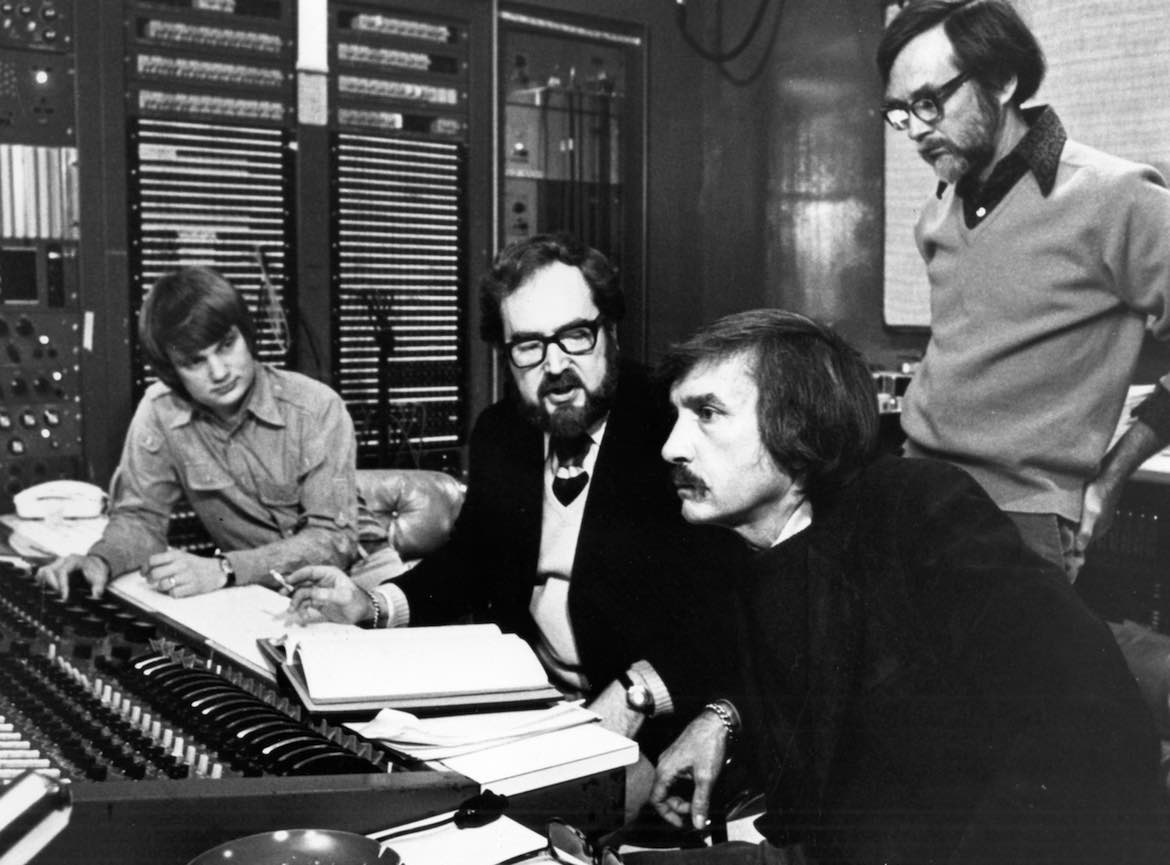 Tom Voegeli, John Tydeman of the BBC, Edward Albee and Karl Schmidt work on an Earplay production of Albee’s play “Listening” ca. 1975–76.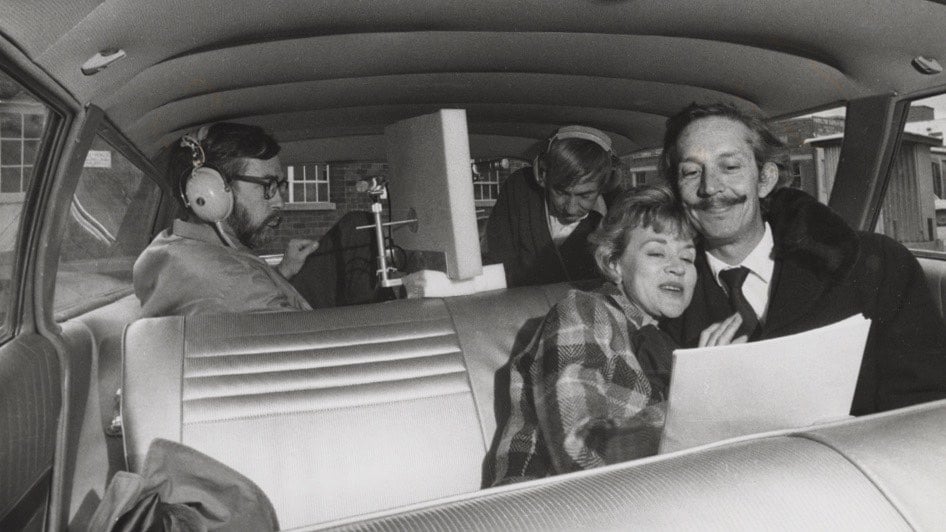

Replies